By Sarabeth Lowe, MPH
Ms. Lowe is a Communication Specialist at the University of Delaware Disaster Research Center.
Autumn is well underway, and there’s more to this season than cooler weather and pumpkin spice lattes. Fall ushers in its own legendary line of produce: apples, cranberries, corn, and, of course, pumpkins. With their hard, thick skin and iconic orange color, these fall fruits may bring back memories of traipsing through a pumpkin patch or carving a jack-o’-lantern. If you’ve ever done the latter, you’re familiar with its pale, stringy insides. Hidden among those fibrous strands are seeds, a nutritious morsel waiting to be plucked from the pulp. These flat, oval seeds have a slightly nutty, sweet flavor and are perfect for snacks, garnishing savory dishes, topping salads and smoothie bowls, or simply eaten whole. Here’s what to know about the health benefits of pumpkin seeds and how to safely turn what would be tossed into the trash into a tasty treat.
Nutrition and Health Benefits
Pumpkin seeds are a nutrition powerhouse. They provide a combination of macronutrients, fiber, and vitamins and minerals, all of which play important roles in keeping the body functioning optimally.1–9 The exact nutritional content depends on the type of pumpkin and how the seeds are prepared; below is the nutrient profile for 1 oz (about 28 g or 85 pieces) of whole, roasted, unsalted pumpkin seeds:10,11
- Calories: 126
- Fat: 5.5 g
- Sodium: 5 mg
- Carbohydrates: 15.2 g
- Fiber: 5.2 g
- Protein: 5.3 g
- Iron: 0.938 mg
- Magnesium: 74.3 mg
- Manganese: 0.141 mg
- Phosphorous: 26.1 mg
- Copper: 0.196 mg
- Zinc: 2.92 mg
Pumpkin seeds provide the 3 main categories of macronutrients—carbohydrates, fats, and protein—which are the essential nutrients your body needs in large amounts to function.1,2,4,6–8,10,12–15 Carbohydrates are the body’s primary fuel and provide energy for your muscles and the central nervous system during movement and exercise.14–16 Fat also gives your body energy, and it protects your organs, supports cell growth, and helps your body absorb vital nutrients.12,14,15,17 Protein helps build and repair tissues, strengthens your muscles, and promotes satiety.1–3,7,10,12,15,18 Similarly, fiber can promote feelings of fullness.1,2,10,19,20
These seeds also contain several essential vitamins and minerals that help keep your body healthy.1–9,10,21,22 Zinc, for example, is an essential trace mineral that supports immune function, wound healing, and cellular metabolism; iron, which your body uses to make the red blood protein hemoglobin, helps carry oxygen from your lungs to the rest of your body.23,24 Despite their small size, pumpkin seeds are one of the best sources of magnesium, a nutrient that is important for many processes in the body, including regulating muscle and nerve function, sleep, and making protein, bone, and DNA.6,7,9,22,25
A Few Things to Keep in Mind
Experts have widely lauded the nutritional qualities and benefits of pumpkin seeds. Some scientists have deemed them a nutraceutical or “functional food,” a term that loosely describes foods that provide health benefits beyond basic nutrition.4–8,22,26,27 However, that doesn’t mean these seeds are a magic bullet. Here are a few considerations to keep in mind.
A little goes a long way. Pumpkin seeds are calorie-dense, especially when considering their small size. This is why you should limit your portions to the recommended serving size of 1 oz, which is a little less than a quarter-cup.1,2,9,16,28
Raw vs roasted. Pumpkin seeds can be eaten raw or cooked, but research has shown roasting can enhance their nutritional quality.1–5,29,30 Heating these seeds causes chemical changes that can break down cell walls and release more antioxidants.29,30 This process also makes them easier for your body to break down and absorb nutrients from the seeds.
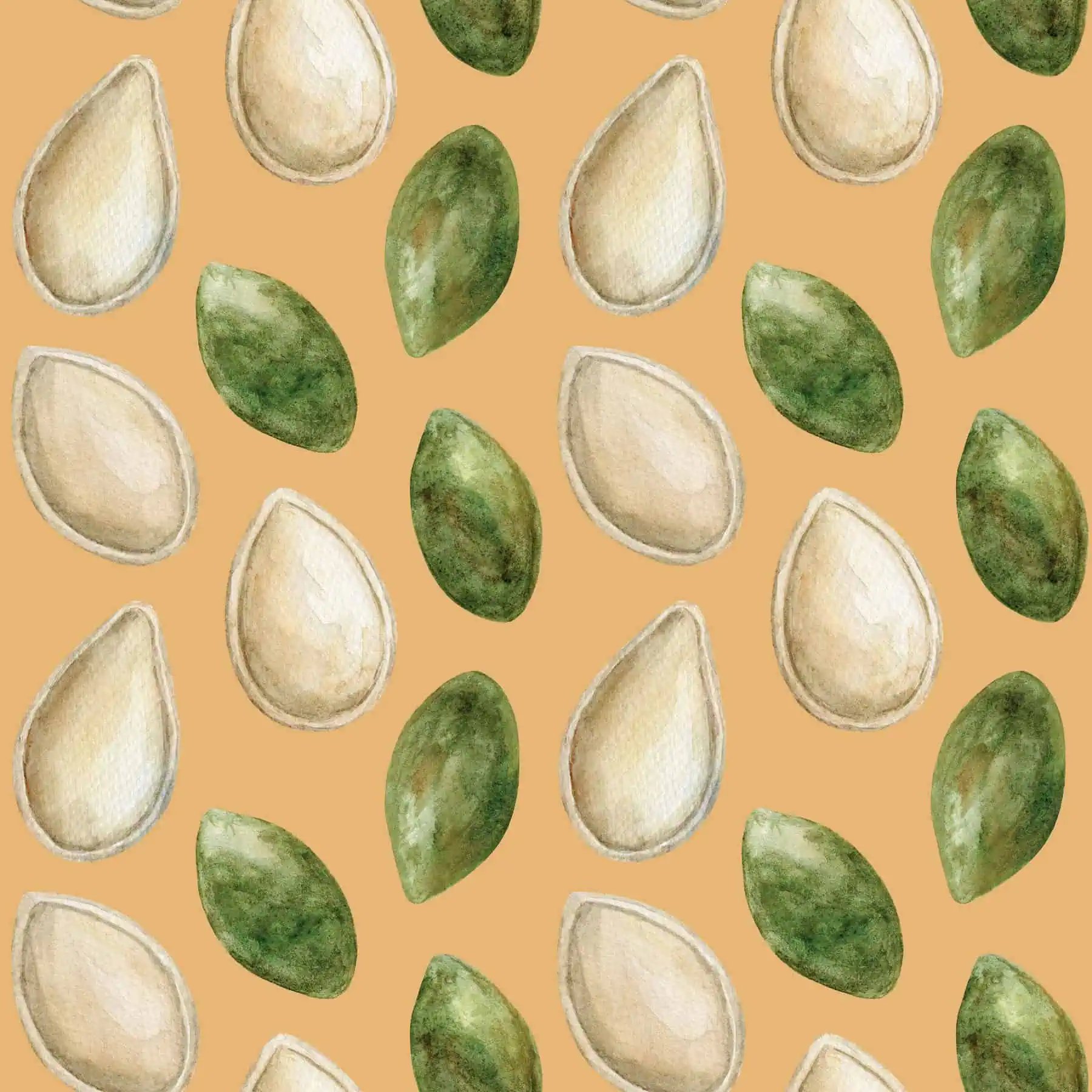
Digestion. Pumpkin seeds come in 2 main varieties: whole, which have a flat, oval, ivory-colored hull, and pepitas, their smaller, darker, shelless counterpart.8,31 Both can be eaten, but their texture is different. Whole seeds’ stiff shell can make them more difficult to digest, especially when roasted, and their high-fiber content can cause uncomfortable symptoms like gas, bloating, or constipation.10,19,20
Buyer beware. Pumpkin seeds that are sold in stores can contain added ingredients and seasonings, and salted varieties are especially common.2,21,32 People watching their sodium intake can search for lightly salted or unsalted alternatives. You can check the ingredient list and nutrition label for more information.
Safety considerations. While uncommon, some people can be allergic to pumpkin seeds.5,33,34 If you have other food allergies, particularly to other seeds, consult your health care provider. Pumpkin seeds’ small size can also make them a choking hazard, so young children and people with swallowing disorders should not eat them.35–37 Always chew them thoroughly and in small amounts.
How to Harvest
Once you have selected a pumpkin, it’s time to get carving. Whether you’re designing a jack-o’-lantern or simply cutting to the core to harvest the seeds, be cautious and pay attention. Research shows that pumpkin-related knife injuries have a high incidence in fall months, particularly in the last week of October.38 A 2022 report from the United States Consumer Product Safety Commission found that an estimated 55% of Halloween-related emergency room visits are due to pumpkin carving accidents.39,40
There are several precautions you can take to reduce your risk of injury.40–43 Choose a clean, well-lit area with a flat surface, and wash the pumpkin before carving. Make sure your hands and tools are completely dry before carving to prevent slipping that could cause an injury. Use and choose your tools wisely. Pumpkins’ hard outer shells can cause knives to wedge in the flesh. Removing them can require rough, brute force, which can lead to injury. Pumpkin carving kits are a better option than kitchen knives because they provide a variety of instruments designed to slice through the thick skin. Always cut away from your hand, and never put your hand inside the pumpkin when carving. Clean your hands as you go. Handling pumpkin pulp can leave your hands and tools slick and slimy, and using a knife with slippery hands is a recipe for disaster.
Once you’re done carving your pumpkin, it’s time to get your hands dirty and begin harvesting the seeds. Do this immediately. Pumpkins are a low-acid fruit, which makes them prone to bacterial growth soon after their thick, protective skin is compromised.10,44 Use your fingers to scoop the pulp out of the shell, and a spoon to scrape the pumpkin’s interior. The seeds will need to be separated from the fibrous strands of flesh. You can do this seed by seed and pick each one out individually, but several strategies can quicken the process.3,45 One option is to put all of the pumpkin contents in a bowl of water and stir. This helps the seeds separate from the strings, and they’ll float to the surface. Another strategy is to place the pulp in a sieve or colander under running water and rub the flesh until the seeds loosen. After you remove all the seeds, rinse them thoroughly with water and dry them.
Save the Seeds
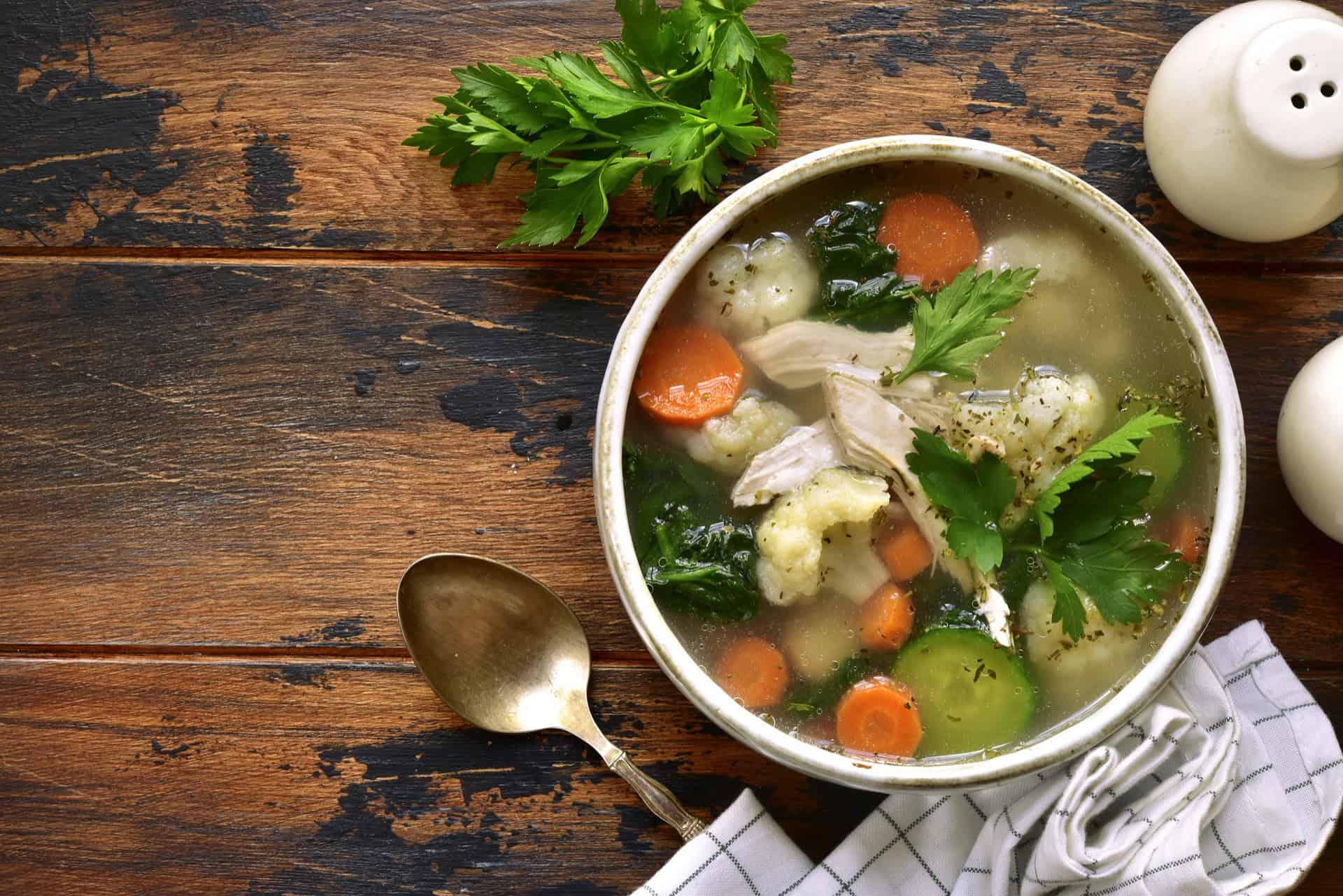
The next time you carve a pumpkin, think twice before tossing the seeds. With a little elbow grease, you can harvest the seeds and transform them from a squishy, shapeless pulp into a crunchy, healthy, and savory snack. Whether you enjoy them on their own or sprinkled over this salad, pumpkin seeds are a versatile seasonal staple that can add extra nutrition and flavor to your fall traditions.
Sources
- Valeiii K. 11 reasons why you should be eating pumpkin seeds. Verywell Health. Updated 24 Jun 2026. Accessed 15 Sep 2026. https://www.verywellhealth.com/pumpkin-seeds-benefits-7971018
- Devi N, Prasad R, Sagarika N. A review on health benefits and nutritional composition of pumpkin seeds. Int J Chem Stud. 2018;6(3):1154–1157.
- Bashir K, Jan K, Habib M, Jan S. Health benefits of pumpkin seeds. In: Bashir K, Jan K, Habib M, Jan S, eds. Pumpkin Seed: Newer Perspectives. Springer Nature Switzerland; 2025:25–43.
- Batool M, Ranjha MMAN, Roobab U, et al. Nutritional value, phytochemical potential, and therapeutic benefits of pumpkin (Cucurbita sp.). Plants. 2022;11(11):1394.
- Kassa MG, Teferi DA. Phytochemical composition, health benefits, functional properties, and food applications of pumpkin seeds. Food Sci Nutr. 2026;14(5):e71868.
- Singh A, Kumar V. Pumpkin seeds as nutraceutical and functional food ingredient for future: a review. Grain Oil Sci Technol. 2024;7(1):12–29.
- Dotto JM, Chacha JS. The potential of pumpkin seeds as a functional food ingredient: a review. Sci Afr. 2020;10:e00575.
- Mukherjee PK, Singha S, Kar A, et al. Therapeutic importance of Cucurbitaceae: a medicinally important family. J Ethnopharmacol. 2022;282:114599.
- The health benefits of pumpkin seeds. Cleveland Clinic. 6 Nov 2024. Accessed 1 Oct 2026. https://health.clevelandclinic.org/pumpkin-seeds-7-ways
- Frey M. 10 reasons to add pumpkin seeds to your diet. Verywell Fit. Updated 6 Jul 2024. Accessed 30 Sep 2026. https://www.verywellfit.com/pumpkin-seed-nutrition-facts-calories-and-health-benefits-4114356
- Seeds, pumpkin and squash seeds, whole, roasted, without salt. USDA FoodData Central. 1 Apr 2019. Accessed 30 Sep 2026. https://fdc.nal.usda.gov/food-details/170188/nutrients
- Radhika M, Mohan S, Singh HJ, et al. Clinical impact of macronutrients and micronutrients: a review of nutritional balance, deficiency disorders, and therapeutic applications. Cureus. 2026;18(3):e105305.
- Savarino G, Corsello A, Corsello G. Macronutrient balance and micronutrient amounts through growth and development. Ital J Pediatr. 2021;47(1):109.
- DeMarco C, Alexander Dahl L. Macronutrients 101: what to know about protein, carbs and fats. UT MD Anderson Cancer Center. 18 Feb 2025. Accessed 1 Oct 2026. https://www.mdanderson.org/cancerwise/macronutrients-101–what-to-know-about-protein–carbs-and-fats.h00-159774078.html
- Carreiro AL, Dhillon J, Gordon S, et al. The macronutrients, appetite, and energy intake. Annu Rev Nutr. 2016;36:73–103.
- Reynolds A, Mann J, Cummings J, et al. Carbohydrate quality and human health: a series of systematic reviews and meta-analyses. Lancet. 2019;393(10170):434–445.
- Know the facts about fats. Harvard Health. 19 Apr 2021. Accessed 1 Oct 2026. https://www.health.harvard.edu/healthy-aging-and-longevity/know-the-facts-about-fats
- Protein in diet. MedlinePlus. Updated 1 Apr 2025. Accessed 1 Oct 2026. https://medlineplus.gov/ency/article/002467.htm
- Kohn JB. Is dietary fiber considered an essential nutrient? J Acad Nutr Diet. 2016;116(2):360.
- Barber TM, Kabisch S, Pfeiffer AFH, Weickert MO. The health benefits of dietary fibre. Nutrients. 2020;12(10):3209.
- Panoff L. 10 healthiest ways to eat pumpkin seeds. Verywell Health. Updated 14 Apr 2026. Accessed 27 Sep 2026. https://www.verywellhealth.com/healthiest-ways-to-eat-pumpkin-seeds-11842391
- Hadidi M, Tarahi M, Günther Innerhofer M, et al. Pumpkin seed as a sustainable source of plant-based protein for novel food applications. Crit Rev Food Sci Nutr. 2025;65(33):8566–8591.
- Iron: fact sheet for consumers. US Office of Dietary Supplements. Updated 17 Oct 2023. Accessed 1 Oct 2026. https://ods.od.nih.gov/factsheets/Iron-Consumer/
- Zinc: fact sheet for consumers. US Office of Dietary Supplements. Updated 4 Oct 2022. Accessed 1 Oct 2026. https://ods.od.nih.gov/factsheets/Zinc-Consumer/
- Magnesium: fact sheet for consumers. US Office of Dietary Supplements. Updated 22 Mar 2021. Accessed 1 Oct 2026. https://ods.od.nih.gov/factsheets/Magnesium-Consumer/
- Ellis E. Functional foods. EatRight.org. Updated 16 Oct 2024. Accessed 2 Oct 2026. https://www.eatright.org/health/wellness/healthful-habits/functional-foods
- Temple NJ. A rational definition for functional foods: a perspective. Front Nutr. 2022;9:957516.
- King L. Pumpkin seeds: how healthy are they? WebMD. Updated 14 Feb 2026. Accessed 27 Sep 2026. https://www.webmd.com/diet/health-benefits-pumpkin-seeds
- Peng M, Lu D, Liu J, et al. Effect of roasting on the antioxidant activity, phenolic composition, and nutritional quality of pumpkin (Cucurbita pepo L.) seeds. Front Nutr. 2021;8:647354.
- Bence S. Raw vs. roasted pumpkin seeds for magnesium intake and nutrient absorption. Verywell Health. Updated 5 Apr 2026. Accessed 30 Sep 2026. https://www.verywellhealth.com/raw-vs-roasted-pumpkin-seeds-11827205
- Bergland C. Pepitas vs. pumpkin seeds: which gives you more magnesium? Verywell Health. 19 Jan 2026. Accessed 30 Sep 2026. https://www.verywellhealth.com/pepitas-vs-pumpkin-seeds-11865016
- Pumpkin seeds pack a healthy punch. American Heart Association. 25 Oct 2018. Accessed 2 Oct 2026. https://www.heart.org/en/news/2018/10/25/pumpkin-seeds-pack-a-healthy-punch
- Valverde-Monge M, Bartolome B, Custa-Herranz J, Heras MD. Allergy to pumpkin seeds. J Allergy Clin Immunol. 2017;139(2):AB138.
- Fritsch R, Ebner H, Kraft D, Ebner C. Food allergy to pumpkinseed – characterization of allergens. Allergy. 1997;52(3):335–337.
- Karišik M. Foreign body aspiration and ingestion in children. Acta Clin Croat. 2023;62(Suppl1):105–112.
- Favorite foods can cause serious choking accidents in kids. UCLA Health. 29 Jul 2014. Accessed 2 Oct 2026. https://www.uclahealth.org/news/release/favorite-foods-can-cause-serious-choking-accidents-in-kids
- Bajowala S, Grenawitzke K, Kalami V. Pumpkin seed for babies. Solid Starts. Accessed 2 Oct 2026. https://solidstarts.com/foods/pumpkin-seed/
- Johnson CA, LaRochelle L, Newton WN, Daly CA. Pumpkin carving knife injuries: national incidence and trends of hand injury. Am J Emerg Med. 2022;60:83–87.
- CPSC Offers Safety Tips to Keep Hazards from Haunting Your Halloween. US Consumer Product Safety Commission. 18 Oct 2022. Accessed 2 Oct 2026. https://www.cpsc.gov/Newsroom/News-Releases/2023/CPSC-Offers-Safety-Tips-to-Keep-Hazards-from-Haunting-Your-Halloween
- DaSilva M. Pumpkin carving safety tips for the whole family. Brown University Health. 29 Sep 2026. Accessed 5 Oct 2026. https://www.brownhealth.org/be-well/pumpkin-carving-safety-tips-whole-family
- Adiletta B. Handle with care: avoiding hand injuries during Halloween pumpkin carving. Baylor College of Medicine. 29 Oct 2025. Accessed 30 Sep 2026. https://blogs.bcm.edu/2025/10/29/avoiding-hand-injuries-during-halloween-pumpkin-carving/
- Pumpkin carving safety. American Society for Surgery of the Hand. Accessed 30 Sep 2026. https://www.assh.org/handcare/hand-safety/pumpkin-carving-safety
- Speeckaert A. 5 tips for how to carve a pumpkin safely. Ohio State Health & Discovery. 28 Sep 2022. Accessed 30 Sep 2026. https://health.osu.edu/health/family-health/how-to-carve-a-pumpkin-safely
- Shannon P. What to do if your porch pumpkins are already starting to rot. Southern Living. Updated 26 Sep 2026. Accessed 2 Oct 2026. https://www.southernliving.com/what-to-do-if-porch-pumpkins-are-already-rotting-11829491
- Krystal B. How to clean and roast pumpkin seeds from your jack-o’-lantern. Washington Post. 25 Oct 2023. Accessed 30 Sep 2026. https://www.washingtonpost.com/food/2023/10/23/how-to-roast-pumpkin-seeds-squash/