
By Kate Turner, MA, RD, CSSD, CPT
Ms. Turner is a registered dietitian, certified personal trainer, and owner of LIVE WELL with Kate.
In Part 1 of this series, we discussed why nutrition becomes even more important when taking a glucagon-like peptide-1 (GLP-1) medication. Because these medications can substantially reduce appetite and food intake, it can become challenging to stay hydrated and consume enough protein, fiber, and other essential nutrients.1,2 The goal isn’t simply to eat less—it is to make the food you do eat as nutritious as possible. Here are 4 priorities to put into practice when taking a GLP-1 medication.
1. Prioritize Protein
Adequate protein intake is particularly important during weight loss because it can help support the preservation of lean mass when combined with resistance exercise.1,2 Current expert guidance for people taking GLP-1 medications commonly recommends protein intakes of at least approximately 1.2 g/kg of body weight per day, although individual needs may be higher depending on age, activity level, body composition goals, and health status.2,3
For older adults, this target is especially relevant. Experts generally recommend at least 1.0 to 1.2 g/kg per day, with higher intakes often appropriate for active individuals or those at risk of muscle loss.4
Rather than getting overwhelmed by calculations, make protein the priority at every meal. Try eggs or Greek yogurt at breakfast; chicken, fish, lean meat, tofu, or beans at lunch and dinner; and protein-rich snacks, such as cottage cheese, Greek yogurt, edamame, or a protein shake, when needed.
When appetite is low, it can help to plan your protein rather than waiting until you feel hungry.
2. Gradually Increase Fiber
Fiber supports digestive health and is an important component of a nutrient-dense eating pattern. However, suddenly increasing fiber intake can worsen bloating, gas, or abdominal discomfort—particularly if you’re already experiencing gastrointestinal symptoms from a GLP-1 medication.1,2
A practical goal for many women is about 25 to 30 grams of fiber per day, although individual needs may vary.2,5If your current intake is significantly lower, work toward this amount gradually rather than trying to reach it overnight. A recent systematic review of nutrition and physical activity guidelines for chronic constipation found that gradual increases in dietary fiber were consistently recommended, with several expert guidelines specifically recommending 25 to 30 grams per day for mild-to-moderate constipation.5
Build fiber gradually through foods such as berries, vegetables, beans and lentils, chia or flax seeds, nuts, avocado, and high-fiber whole grains. If constipation is an issue, increasing fluids along with fiber is also important.1,5
The goal isn’t to suddenly add a large amount of fiber, but to gradually build a fiber-rich eating pattern that your digestive system can tolerate.
3. Stay Hydrated
Adequate fluid intake is another important consideration, particularly if reduced food intake or gastrointestinal side effects such as vomiting or diarrhea are occurring.1,2 There is no single amount of water that everyone needs. The National Academies’ adequate intake for total water is approximately 2.7 liters per day for women, but this includes water from beverages and food, and individual needs vary with body size, activity, climate, and health conditions.6
Electrolytes are not automatically necessary for everyone taking a GLP-1 medication. However, they may be useful in certain situations involving significant fluid or electrolyte losses, such as prolonged vomiting, diarrhea, or heavy sweating. If you are struggling to stay hydrated, talk with your healthcare provider about the best approach for you.
4. Don’t Forget Strength Training
Protein provides the building blocks your body needs to maintain muscle, but resistance exercise provides an important stimulus for your muscles to adapt and remain strong.1,2 Combining adequate protein with progressive resistance training is therefore a key strategy for protecting muscle during weight loss.1,2
Aim for resistance training at least twice per week, using weights, resistance bands, machines, or your own body weight, with the specific program adapted to your fitness level and health status.7
Make Every Bite Count
When appetite is significantly reduced, eating less doesn’t mean your body needs fewer essential nutrients. Instead of asking, “How little can I eat?” ask, “How can I make the food I am eating as nutritious as possible?”
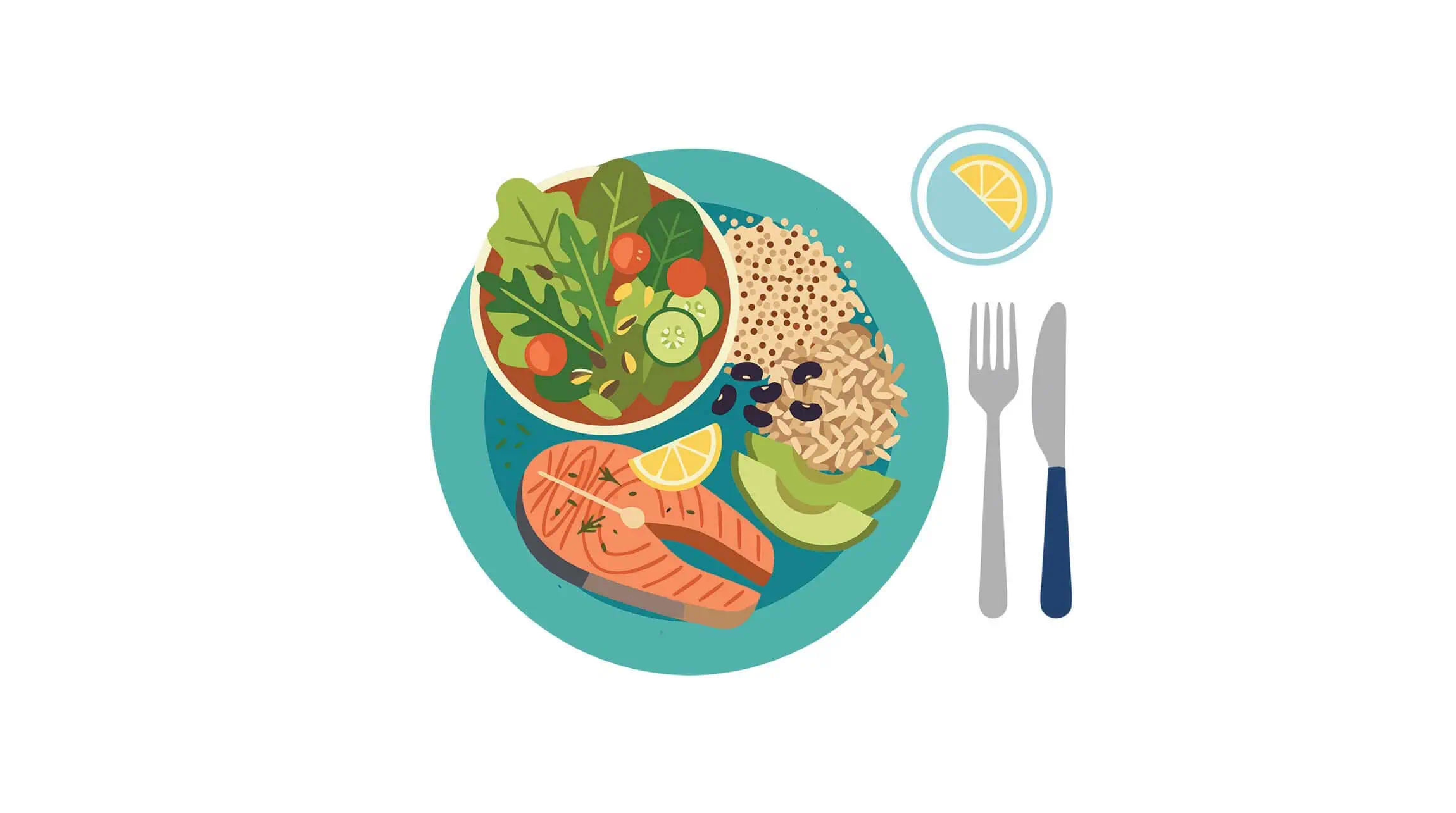
A small breakfast of Greek yogurt topped with berries, chia seeds, and a little granola can provide substantially more protein and nutrients than a few bites of toast. A smaller lunch built around chicken or salmon, vegetables, avocado, and beans can provide protein, fiber, healthy fats, and other nutrients without requiring a large portion.
If a full meal feels overwhelming, smaller meals may be easier to tolerate. The important thing is to make sure your overall intake is adequate rather than intentionally restricting food as much as possible.
Ultimately, think of your GLP-1 medication as one part of a larger health strategy: protein, fiber, hydration, and strength training. If significant appetite suppression or gastrointestinal symptoms are making it difficult to meet your nutritional needs, a registered dietitian or healthcare provider can help you create an individualized plan.
Sources
- Mozaffarian D, Agarwal M, Aggarwal M, et al. Nutritional priorities to support GLP-1 therapy for obesity: a joint advisory from the American College of Lifestyle Medicine, the American Society for Nutrition, the Obesity Medicine Association, and the Obesity Society. Obesity (Silver Spring). 2025;33(8):1475–1503.
- Dobbie LJ, Tolvanen L, Alves D, et al. Nutritional, functional, and psychological considerations for incretin-based therapies in adults-an EASO, EFAD, and ECPO Consensus Statement. Lancet Diabetes Endocrinol. 202614(9):754–777.
- Arslan S. Medical nutrition in the glucagon-like peptide-1 (GLP-1) era: protein strategies, micronutrient monitoring, and lean mass preservation. Clin Nutr ESPEN. 2026;73:103305.
- Bauer J, Biolo G, Cederholm T, et al. Evidence-based recommendations for optimal dietary protein intake in older people: a position paper from the PROT-AGE Study Group. J Am Med Dir Assoc. 2013;14(8):542–559.
- Kamareddine S, Bhurosy T. An assessment of nutrition and physical activity guidelines for adult patients with chronic constipation: a systematic review. Clin Nutr ESPEN. 2025;68:630–637.
- Dietary Reference Intakes for Water, Potassium, Sodium, Chloride, and Sulfate. National Academies Press; 2005.
- Fragala MS, Cadore EL, Dorgo S, et al. Resistance training for older adults: position statement from the National Strength and Conditioning Association. J Strength Cond Res. 2019;33(8):2019–2052.