

By Kate Turner, MA, RD, CSSD, CPT
Ms. Turner is a registered dietitian, certified personal trainer, and owner of LIVE WELL with Kate.
Gulcagon-like peptide-1 (GLP-1)–based medications have changed the landscape of weight management, offering an effective tool for many people who struggle with their weight. These medications can help reduce appetite, increase feelings of fullness, and lead to substantial weight loss when combined with lifestyle intervention.1,2
But there is an important misconception worth addressing in order for people to achieve success long-term: GLP-1 medications do not replace good nutrition—they can make good nutrition even more important.
Weight Loss Is Not the Same as Fat Loss
When appetite decreases, it can become easier to eat less. That can be beneficial for achieving the calorie deficit needed for weight loss. However, eating substantially less also means fewer opportunities to obtain adequate calories, protein, fiber, vitamins, minerals, and other essential nutrients.
There is another consideration that becomes particularly important as we age: preserving lean muscle. Many times weight loss, particularly fast weight loss, generally involves some loss of lean tissue in addition to fat. Muscle weighs more than fat, so oftentimes when the scale is going down quickly it can be an indicator of muscle loss. The primary goal when wanting to lose fat and preserve muscle is to lose inches and improve how your clothes fit vs constantly watching the number on the scale. In a 2026 meta-analysis of 20 randomized trials, lean mass accounted for approximately 25% to 39% of weight lost with weight loss–support medications. The proportion was lower when resistance training, also known as weight or strength training, was incorporated.3
Preserving muscle and strength should be a priority during weight loss in general—particularly for those on a GLP-1 medication and older adults, who are already at increased risk of age-related muscle loss.4
The Goal: Lose Fat While Protecting and/or Building Muscle
Rather than focusing on eating as little as possible, the goal should be to lose excess body fat while maintaining the nutritional adequacy discussed, muscle mass, strength, and function.
Two strategies are especially important: adequate protein intake and resistance exercise. Expert reviews and recent clinical guidance recommend prioritizing protein-rich foods while on a GLP-1 and incorporating regular resistance training to help support lean tissue and physical function.4–6
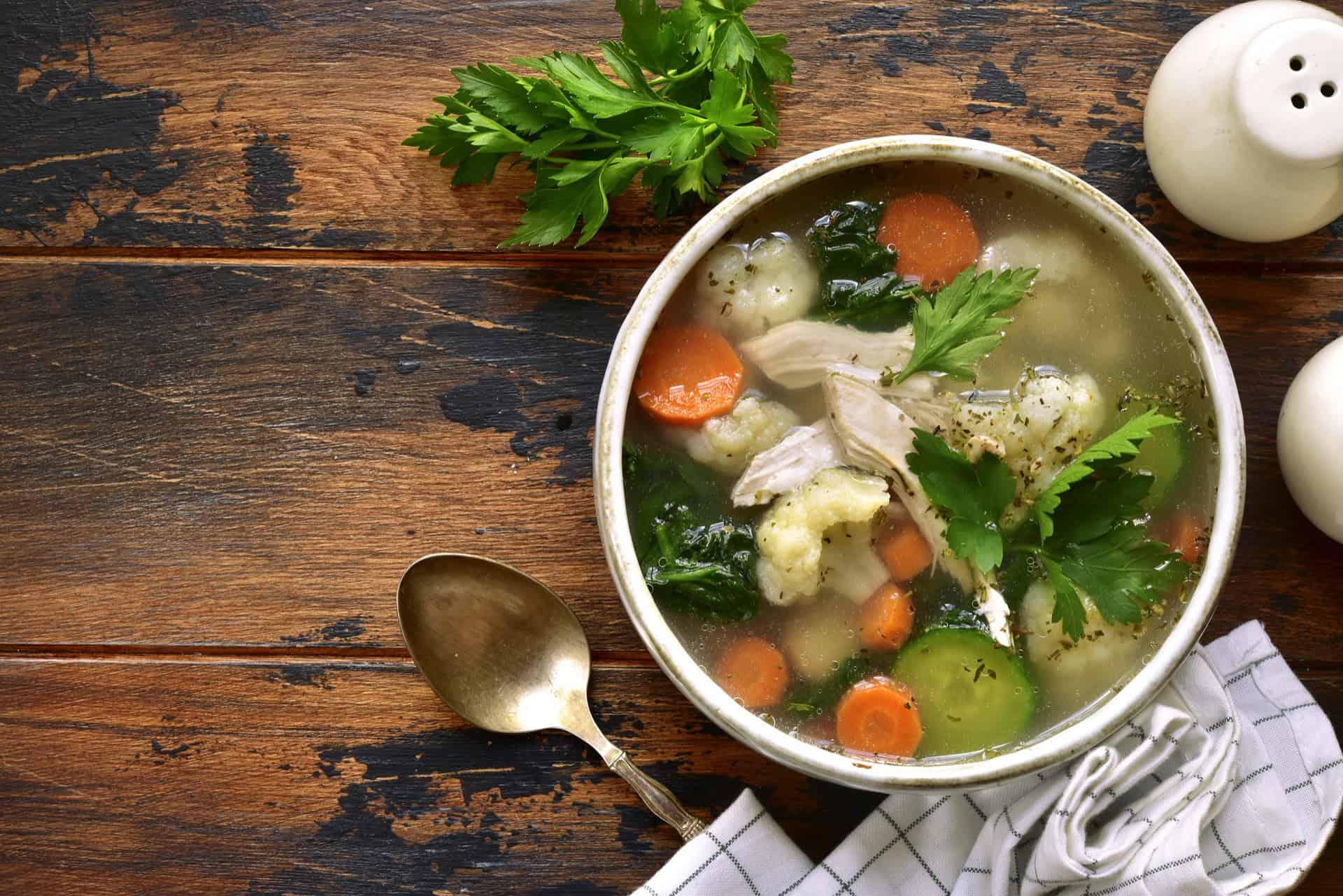
This is especially relevant when appetite is low. When you’re eating less overall, the nutritional quality of what you do eat matters more. Meals and snacks should emphasize nutrient-dense foods that provide protein, fiber, healthy fats, vitamins, and minerals rather than relying primarily on foods that provide calories without much nutritional value.
Don’t Ignore Digestive Side Effects
Nausea, constipation, diarrhea, vomiting, and feeling overly full are among the gastrointestinal side effects commonly reported with GLP-1 medications. In clinical trials of semaglutide, these effects were generally mild to moderate and most common during dose increases.7
These symptoms can make it even harder to consume enough food and fluids. Consuming smaller nutrient-dense meals, eating slowly, and staying adequately hydrated can all help to manage these unwanted symptoms. Please note that significant or ongoing nausea, vomiting, constipation, or difficulty eating should be discussed with a medical professional rather than simply tolerated.
Think of Your Medication as a Tool—Not the Whole Strategy
GLP-1 medications can be powerful tools for weight loss and, depending on the medication and the individual, may provide important cardiometabolic benefits. For example, the SELECT trial found that semaglutide reduced major cardiovascular events in adults with established cardiovascular disease and overweight or obesity who did not have diabetes.8
But medication is only one component of a comprehensive approach to weight loss and improving your health.
The goal isn’t simply to make the number on the scale smaller, which at times may primarily be muscle loss. It’s to lose excess fat while preserving muscle, strength, and nutritional status. Prioritizing adequate nutrition and regular resistance exercise can help make weight loss a healthier and more sustainable process.
If you’re taking or considering a GLP-1 medication, talk with your healthcare provider and/or registered dietitian about how to meet your individual nutrition and activity needs throughout treatment.
Sources
- Wilding JPH, Batterham RL, Calanna S, et al; STEP 1 Study Group. Once-weekly semaglutide in adults with overweight or obesity. N Engl J Med. 2021;384(11):989–1002.
- Look M, Dunn JP, Kushner RF, et al. Body composition changes during weight reduction with tirzepatide in the SURMOUNT-1 study of adults with obesity or overweight. Diabetes Obes Metab. 2025;27(5):2720–2729.
- Eisa N, Barood O. Lean mass changes with incretin therapy versus lifestyle intervention: a systematic review and meta-analysis of randomised controlled trials. Diabetes Obes Metab. 2026;28(6):4818–4827.
- Locatelli JC, Costa JG, Haynes A, et al. Incretin-based weight loss pharmacotherapy: can resistance exercise optimize changes in body composition? Diabetes Care. 2024;47(10):1718–1730
- Mozaffarian D, Agarwal M, Aggarwal M, et al. Nutritional priorities to support GLP-1 therapy for obesity: a joint advisory from the American College of Lifestyle Medicine, the American Society for Nutrition, the Obesity Medicine Association, and the Obesity Society. Am J Lifestyle Med. 2025:15598276251344827.
- Arslan S. Medical nutrition in the glucagon-like peptide-1 (GLP-1) era: protein strategies, micronutrient monitoring, and lean mass preservation. Clin Nutr ESPEN. 2026;73:103305.
- Wharton S, Davies M, Dicker D, et al. Gastrointestinal tolerability of once-weekly semaglutide 2.4 mg in adults with overweight or obesity, and the relationship between gastrointestinal adverse events and weight loss. Diabetes Obes Metab. 2021;24(1):94–105.
- Lincoff AM, Brown-Frandsen K, Colhoun HM, et al. Semaglutide and cardiovascular outcomes in obesity without diabetes. N Engl J Med. 2023;389(24):2221–2232.