

All About Tonsils
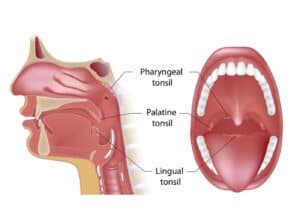
Most people don’t give much thought to their tonsils. Hidden in the back of the throat, these tiny organs are out of sight and out of mind. Often, it isn’t until something goes wrong with their tonsils that people pay them much mind. They were even once thought to be vestigial structures. Tonsils, however, are more than meets the eye. In this article, we will review the tonsils’ function and anatomy, relevant health conditions, and more. Quick Facts About Tonsils Tonsils are part of the immune system and help detect pathogens Located in the back of the throat within the pharynx Made up of mucosa-associated lymphoid tissue (MALT) Include four types: palatine, pharyngeal (adenoids), lingual, and tubal Common conditions include tonsillitis, tonsil stones, and peritonsillar abscess In some cases, surgical removal (tonsillectomy/adenoidectomy) may be necessary What Do Tonsils Do? Tonsils are a group of tissues that serve as the body’s first line of defense against pathogens entering through the nasopharynx and oropharynx, which are tubes that connect your nose and mouth to your throat.[1] This collection of tissue is known as mucosa-associated lymphoid tissue (MALT). MALT has a specific and important role in helping the body fight infection. How Tonsils Support the Immune System Its primary function is to participate in the secondary immune system by sampling antigens and local pathogens that enter the mouth and nose and stimulate further immune response.[2] Anatomy of the Tonsils Understanding where tonsils are located and how they are structured helps explain their role in protecting the body. Types of Tonsils and Their Location The body has four different types of tonsils all located in the pharynx, which is the upper part of your throat located behind your nose and mouth.[3] Palatine Tonsils: Most people are familiar with the palatine tonsils. This fleshy, oval-shaped pair sits far in the back of the throat on either side of the uvula. It is the only set you can see without assistance.[4],[5] The Pharyngeal Tonsil: a single tonsil also known as the adenoid, is located in the nasopharynx above and behind the soft palette. Lingual Tonsils: The third set of tonsils, which are located at the base of the tongue, are the body lingual tonsils. Tubal Tonsils: Finally, tubal tonsils are set in the nasopharynx wall near the opening to our eustachian tubes, which connect the middle ear with the nasal-sinus cavity.[1] What Is Waldeyer’s Ring? Together, these tonsils form a circular band at the back of the throat called Waldeyer’s ring. Their unique ringed arrangement allows them to effectively guard the entrance to the digestive and respiratory systems, two of the body’s most important systems that interact with the outside world.[5]–[7] Normal Size and Appearance Healthy palatine tonsils are pink or red in color and don’t take up much room in the throat.[4] While their size might vary slightly across the general population, most end up being about the size of a lima bean in adulthood.[1],[3],[8] Tonsil Structure (Crypts and Surface) One characteristic that does not change across the lifespan is their irregular surface. Some people might be surprised to find that ridges and small “holes” called crypts line their tonsils. These folds are typical and naturally occurring. However, it is this anatomical structure, as well as their role in the immune system, that makes the palatine tonsils and adenoid susceptible to infection. Common Tonsil Conditions Redness and inflammation are two trademark signs that the palatine tonsils are infected by a virus or bacteria.[1],[3],[5]–[8] Sometimes, adenoids become infected and swell simultaneously. These symptoms can cause significant pain and even obstruct breathing and swallowing. While several conditions can affect this organ, tonsillitis, tonsil stones, and peritonsillar abscesses are the most common. Tonsillitis What Is Tonsillitis? Tonsillitis is a generic term that describes swelling of the palatine tonsils.[6]–[11] It is the most common condition affecting these organs and is more common among children than adults.[3],[5],[10] About 70 percent of these cases are caused by viruses, such as the flu and the common cold, but bacterial infections can also cause the tonsils to swell.[1],[9] Symptoms Inflammation and redness are the most common signs of tonsillitis, but other symptoms, including throat and ear pain, swollen glands, fever, bad breath, chills, and a white or yellow coating on your tonsils, can also be present.[11],[12] Types These cases fall into three categories: acute (isolated cases where symptoms last between 3–14 days), recurrent (multiple cases per year), and chronic (cases where symptoms last more than 14 days).[1],[3],[9]–[14] Treatment Treatment for tonsillitis often depends on the severity of frequency of infection. Most cases can be treated at home with salt water or medicated gargles, over-the-counter pain medicine, increasing indoor humidity, and drinking warm liquids.[15] A doctor will only prescribe antibiotics when tonsillitis is caused by a bacterial infection, such as strep throat. Tonsil Stones What Are Tonsil Stones? Tonsil stones, or tonsilloliths, are small white or yellow pebble-like lumps that appear on the surface of palatine tonsils. These deposits are typically unilateral, appearing on either the left or right tonsil, and are made up of bacteria, food debris, and minerals, like calcium, that harden and lodge in the ridges and crypts.[13]–[16] Tonsilloliths are relatively common, with most cases occurring in adulthood and people with recurrent tonsillitis.[17] Cases are usually innocuous and sometimes asymptomatic. However, their side effects can be a nuisance. Symptoms The most common symptom is bad breath, but some people also develop a cough, sore throat, or difficulty swallowing.[14],[15],[18] Treatment As with tonsillitis, removing tonsil stones usually does not require visiting a doctor. Some studies suggest gargling salt water or manually dislodging them with a water flosser, but most cases resolve over time without intervention.[13],[14] Larger or recurrent stones, however, may require removal by an otolaryngologist, a healthcare provider who specializes in ear, nose, and throat disorders. Peritonsillar Abscess What Is a Peritonsillar Abscess? Also known as quinsy, peritonsillar abscess (PTA) is a bacterial infection that causes pus to collect next to the tonsils in the back of the throat.[1],[3],[19]–[22] It